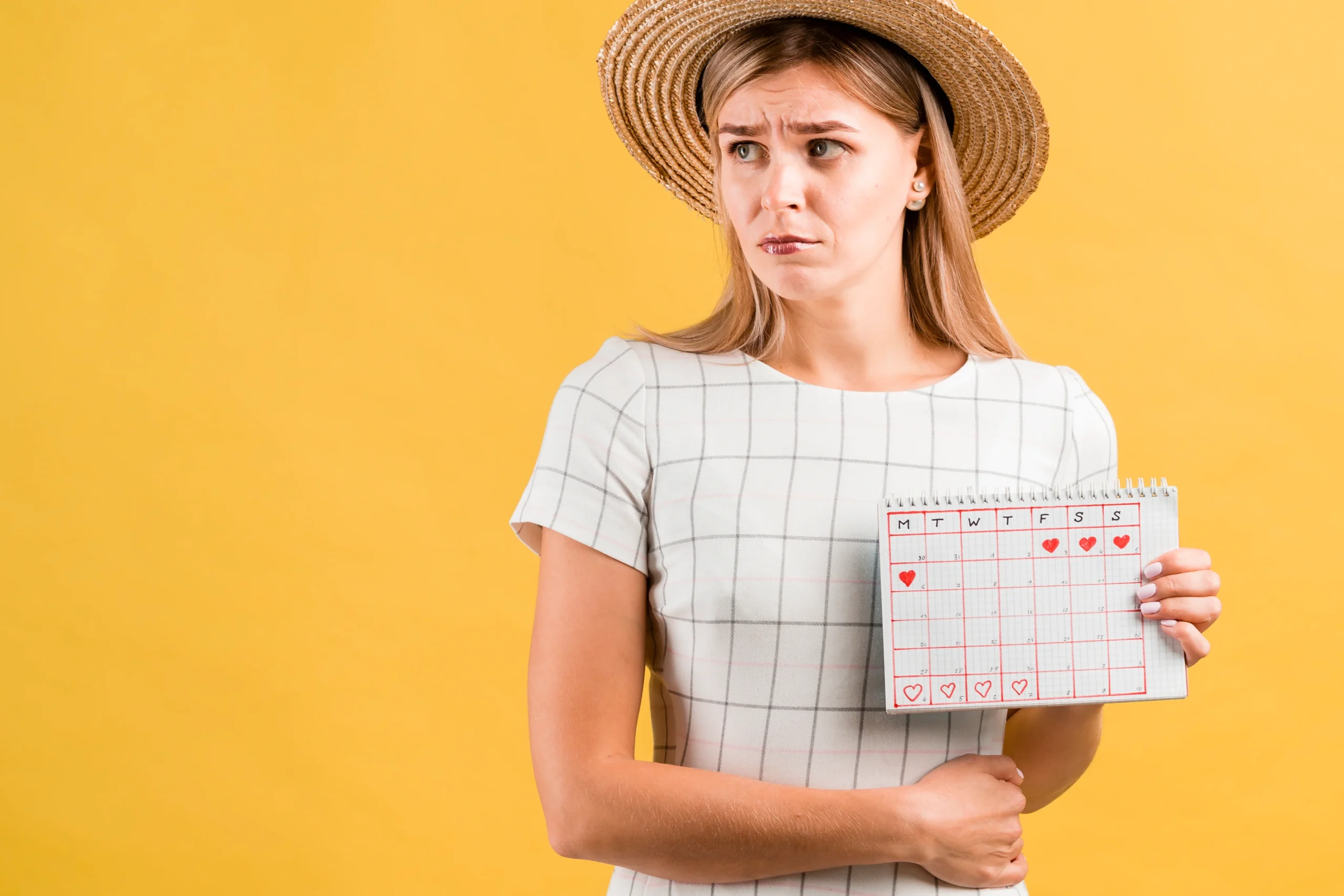
Menstrual health is one of the most important — and most ignored — aspects of overall well-being for women around the world.
Your period is not just a monthly inconvenience. It is your body’s monthly report card. Late, missed, or very heavy periods can be linked to health problems like anaemia, thyroid disorders, polycystic ovary syndrome (PCOS), endometriosis, bleeding disorders, and even some cancers. Harvard T.H. Chan School of Public Health
Yet millions of women suffer in silence, assuming their symptoms are just “part of being a woman.”
They are not. And this guide is here to change that.
Whether you are a teenager just starting your cycle, an adult dealing with painful periods, or a healthcare professional looking for a concise resource — this article covers everything you need to know about menstrual health, common disorders, warning signs, the best foods, natural remedies, and how to actually improve your cycle.
Menstrual Health Decoded: The Complete Guide Every Woman Deserves to Read
Your cycle is more than a calendar event — it is a real-time report card on your overall health. Here is everything modern science says about understanding it, protecting it, and thriving with it.
1. Why Menstrual Health Matters More Than You Think
Menstrual health is far more than a monthly inconvenience. It encompasses the physical, emotional, and social well-being of women around their cycle — including how painful it feels, how heavy the flow is, how regular the timing is, and how much it affects daily life.
For decades, period concerns have been quietly normalised or dismissed. Yet leading researchers from Harvard T.H. Chan School of Public Health now argue that the menstrual cycle should be treated as a fifth vital sign — every bit as important as blood pressure or heart rate.
Why does this shift matter? Because tracking your cycle can reveal early signals of hormonal imbalance, thyroid issues, PCOS, endometriosis, and even cardiovascular risk. Listening to your body monthly is one of the most powerful, low-cost forms of preventive healthcare available to any woman, anywhere.
2. What Does a Healthy Menstrual Cycle Actually Look Like?
A healthy menstrual cycle typically lasts 21 to 35 days, with the period itself running 2 to 7 days. Flow ranges from light to moderate, mild cramping is common, and there should be no bleeding between periods.
Use this evidence-based reference to compare your own cycle against globally recognised standards. Small variations from month to month are perfectly normal — what matters is the overall pattern.
| Parameter | Healthy Range |
|---|---|
| Cycle Length | 21 – 35 days |
| Period Duration | 2 – 7 days |
| Blood Colour | Bright red to dark red or brown |
| Flow Volume | 30 – 80 ml per cycle |
| Pain Level | Mild to moderate cramping |
| Mood Changes | Mild PMS is common; debilitating symptoms are not |
| Clots | Small clots under 2.5 cm are normal |
If your pattern consistently sits outside these ranges — for several cycles in a row — it is worth a conversation with your gynaecologist rather than something to silently endure.
3. Signs of an Unhealthy Menstrual Cycle
Many women silently normalise symptoms that are actually clear warning signs. Recognising these red flags early can prevent years of unnecessary suffering and protect long-term fertility and hormonal health.
🚩 Red Flags Worth Acting On
- Periods consistently lasting longer than 7 days
- Soaking through a pad or tampon every hour for several hours
- Cycles shorter than 21 or longer than 35 days
- Pain so severe it stops you working, studying, or moving
- Bleeding or spotting between periods
- No period for 3 or more months (outside pregnancy)
- Large clots — bigger than a small coin
- Extreme fatigue, dizziness, or breathlessness during periods
Severe pain, heavy bleeding, and bleeding between periods are all signs that warrant medical evaluation, according to the Cleveland Clinic. Trust your body — it usually tells the truth before tests do.
4. Common Menstrual Disorders Explained
Menstrual disorders are surprisingly common and almost always treatable. Yet research published via ScienceDirect found that up to half of women never seek care, even when affordable healthcare is available to them.
| Disorder | What It Means | Key Symptom |
|---|---|---|
| Dysmenorrhea | Painful menstruation | Severe cramps |
| Menorrhagia | Abnormally heavy or long bleeding | Soaking pads hourly |
| Amenorrhea | Absent periods for 3+ months | Missing periods |
| Oligomenorrhea | Infrequent periods over 35 days apart | Skipped cycles |
| PCOS | Polycystic Ovary Syndrome | Irregular cycles, acne, weight gain |
| Endometriosis | Uterine tissue growing outside uterus | Severe pain, heavy bleeding |
| PMS / PMDD | Pre-menstrual syndrome or disorder | Mood swings, bloating, anxiety |
| Hypomenorrhea | Very light or short periods | Scanty flow |
If any of these descriptions feel familiar, you are not alone — and you are not powerless. Effective treatments exist for every single one of these conditions, ranging from lifestyle changes to targeted medical therapy.
5. What Actually Causes Irregular Periods?
Irregular periods are one of the most common reasons women visit a gynaecologist worldwide. The triggers fall into three broad categories — medical, lifestyle, and life-stage related.
Medical Causes
- Polycystic Ovary Syndrome (the most common hormonal cause)
- Thyroid disorders — both overactive and underactive
- Type 1 and Type 2 diabetes
- Eating disorders such as anorexia or bulimia
- Uterine fibroids or endometrial polyps
Lifestyle Causes
Significant weight gain or loss, intense exercise routines that drop body fat too low (common in long-distance runners, dancers, and gymnasts), and certain medications can all disrupt your cycle. Chronic stress is a particularly underappreciated culprit — high cortisol directly interferes with the hormones that trigger ovulation.
Life-Stage Triggers
Recent pregnancy, breastfeeding, perimenopause, and the early menopause transition all bring natural cycle changes. Hormonal contraceptives can also alter timing and flow, especially in the first few months of use.
6. Period Pain Relief — What Actually Works?
Period cramps are caused by prostaglandins — hormone-like compounds that make the uterus contract to shed its lining. The higher the prostaglandin level, the more intense the pain. Understanding this changes how you treat it.
Medical Options
- NSAIDs like ibuprofen or naproxen are the most effective over-the-counter choice. They directly reduce prostaglandin production and work best when taken at the very first sign of pain.
- Hormonal contraceptives — pills, patches, rings, or hormonal IUDs — can dramatically reduce monthly pain for many women.
- Prescription-strength NSAIDs or hormonal therapy are options for severe or unresponsive cases.
Non-Drug Options With Real Evidence
According to UPMC, the most research-backed non-drug treatments for period pain are exercise and topical heat. They can be used on their own or alongside medication.
| Remedy | How It Helps |
|---|---|
| 🔥 Heat therapy | Relaxes uterine muscles, reduces cramping intensity |
| 🏃 Light movement & yoga | Lowers prostaglandins, releases natural endorphins |
| 💧 Hydration | Reduces bloating and cramping severity |
| 🧘 Meditation & breathing | Lowers cortisol; reduces pain perception |
| 🪡 Acupressure | Stimulates pressure points to ease cramps |
| 🍵 Herbal teas | Anti-inflammatory and calming effect |
7. Best Foods for Menstrual Health
What you eat in the days before and during your period creates a real, measurable difference. Nutrition published by ZOE shows that specific food groups can lower prostaglandins and shorten the duration of cramps.
✅ Eat More of These
| Food Group | Examples | Benefit |
|---|---|---|
| Omega-3 rich | Salmon, sardines, flaxseeds, walnuts | Reduce inflammation |
| Magnesium-rich | Spinach, pumpkin seeds, almonds, dark chocolate | Relax muscles, ease cramps |
| Calcium-rich | Yoghurt, tofu, milk, fortified plant milks | Reduce PMS symptoms |
| Antioxidant fruits | Berries, oranges, papaya | Fight inflammation |
| Whole grains | Oats, brown rice, quinoa | Balance estrogen levels |
| Healthy fats | Avocado, olive oil, nuts | Support hormone production |
| Herbal teas | Ginger, chamomile, fennel | Anti-spasmodic & soothing |
| Turmeric | Curries, golden milk, smoothies | Reduces inflammation |
❌ Limit These During Your Period
- Salty and processed foods — worsen bloating and water retention
- High-sugar foods and drinks — spike inflammation and energy crashes
- Excess caffeine — can heighten anxiety and cramping
- Alcohol — disrupts hormone balance and sleep quality
- Excess red meat — high in arachidonic acid, which raises prostaglandins
8. Natural Remedies for Menstrual Cramps
Beyond diet, several plant-based and lifestyle remedies have solid clinical evidence behind them. None of these replace medical care for serious conditions — but they can make a real, daily difference for ordinary period discomfort.
🌿 Herbs With Real Research Behind Them
- Ginger — linked to less cramping and bloating when consumed regularly around your period.
- Chamomile — naturally soothing and rich in potassium, supporting hydration.
- Fennel seeds — contain antispasmodic and anti-inflammatory compounds.
- Cinnamon — clinical studies show 3 capsules daily for the first 3 days of bleeding can reduce pain, nausea, and vomiting.
- Turmeric — its active compound curcumin offers measurable relief from period inflammation.
Lifestyle Remedies That Compound Over Time
Meditation and yoga are shown to balance mood and ease period symptoms when practised consistently. Sleeping seven to nine hours nightly significantly reduces both pain perception and fatigue across your entire cycle, not just the bleeding days.
9. Menstrual Hygiene Essentials for Every Woman
Good menstrual hygiene protects both your physical health and your daily confidence. These practices are universal — they apply whether you live in Paris, Mumbai, Lagos, or São Paulo.
✨ Daily Hygiene Checklist
- Change pads or tampons every 4 to 6 hours — never leave a tampon in longer than 8 hours, due to Toxic Shock Syndrome risk
- Wash the external genital area with warm water — avoid harsh soaps, perfumed wipes, and douching
- Dispose of used products hygienically — wrap and bin them; never flush
- Track your cycle in a diary or app to spot patterns and changes early
- Wear breathable cotton underwear during your period to prevent moisture build-up
- Drink at least 8 glasses of water daily
- Consider menstrual cups or period underwear as sustainable, skin-friendly alternatives
10. How to Improve Your Menstrual Health Long-Term
Improving menstrual health is not a quick fix — it is the result of consistent, whole-body habits. The strategies below are backed by global research and practised by gynaecologists worldwide.
- Eat anti-inflammatory year-round — not only on bleeding days. Your hormones respond to weeks, not hours.
- Move regularly — even 30 minutes of moderate activity, 5 days a week, improves cycle regularity.
- Manage chronic stress actively — cortisol is one of the leading drivers of hormonal disruption.
- Protect your sleep — 7 to 9 hours nightly supports the entire endocrine system.
- Track your cycle — using a free period app helps you and your doctor catch issues early.
- Limit alcohol and stop smoking — both are strongly linked to cycle irregularity.
- Get annual gynaecological check-ups — especially if you have a history of irregularity, PCOS, or endometriosis.
Your menstrual cycle deserves the same proactive attention you give your skin, teeth, or eyes. It is one of the clearest mirrors of overall health you have.
11. A Real Case Study: When Periods Were a Red Flag
The Patient: A 24-Year-Old Brushed It Off as "Stress"
For nearly three years, she had cycles 60 days apart. She blamed it on university workload and late nights. She told friends, "It's just my body."
When she finally consulted a gynaecologist, blood tests showed elevated androgen levels and an ultrasound revealed polycystic ovaries. The diagnosis: PCOS.
Untreated, PCOS can lead to infertility, insulin resistance, type 2 diabetes, and cardiovascular disease over time. Catching it early changes everything.
Her plan included a low-glycemic anti-inflammatory diet, consistent moderate exercise, and a prescribed oral contraceptive to regulate her cycle. Within 6 months, her periods returned to normal, her energy lifted, and her anxiety reduced significantly.
12. Frequently Asked Questions
What are the signs of an unhealthy menstrual cycle?
Periods longer than 7 days, soaking more than one pad per hour, cycles shorter than 21 or longer than 35 days, missed periods for 3+ months outside of pregnancy, severe cramps that disrupt life, spotting between periods, and very large clots all warrant a medical evaluation.
What foods are best for menstrual health?
Omega-3 rich fish, magnesium-rich greens and seeds, calcium-rich dairy or fortified plant milks, fibre-rich whole grains, antioxidant berries, ginger, turmeric, and chamomile tea are the most evidence-backed choices for balancing hormones and reducing cramps.
What are the most common menstrual disorders?
The most common are dysmenorrhea (painful periods), menorrhagia (heavy bleeding), PCOS, endometriosis, amenorrhea (absent periods), PMS, and PMDD. Each has distinct causes and treatments — but all are manageable with proper medical support.
What causes irregular periods?
Hormonal imbalances (especially PCOS or thyroid issues), extreme weight changes, over-exercising, chronic stress, eating disorders, certain medications, breastfeeding, perimenopause, and conditions like diabetes or fibroids are the leading causes. Lifestyle factors such as smoking and alcohol contribute significantly too.
What are the best natural remedies for cramps?
Heat therapy on the lower abdomen, light exercise and yoga, hydration, ginger and chamomile tea, anti-inflammatory foods, magnesium and calcium, acupressure, and stress management through meditation are the most effective. Cinnamon, fennel, and turmeric also have clinical support.
How can I improve my menstrual health naturally?
Follow an anti-inflammatory diet, exercise daily, manage stress through yoga or meditation, sleep 7 to 9 hours nightly, limit alcohol and caffeine, quit smoking, and track your cycle in an app. If symptoms persist, consult a gynaecologist — many hormonal issues respond beautifully to lifestyle changes paired with medical care.
Is severe menstrual pain normal?
Mild cramping is normal. Severe pain that prevents you from working, attending school, or functioning is not normal and should be evaluated. It may signal endometriosis, adenomyosis, or PCOS. Effective treatments exist for every severity level — you do not have to suffer in silence.
Trusted External Resources: WHO — Menstrual Health · Harvard Health · Cleveland Clinic · UPMC Health · NIH
This article is informational and not a substitute for professional medical advice. Always consult a qualified gynaecologist for personal health concerns.