What if aging wasn’t something that just happened to you — but something you could actually influence?
More people today are asking this question than ever before. The science of longevity and anti-aging has moved way beyond expensive creams and fad diets. Today, researchers know more about why we age — and what we can do about it — than at any point in human history.
Whether you’re in your 30s just getting proactive, or in your 50s looking for healthy aging strategies, this guide covers everything you need. From anti-aging foods and the longevity diet, to the best supplements for healthy aging, stress management, and natural ways to slow aging — it’s all here.
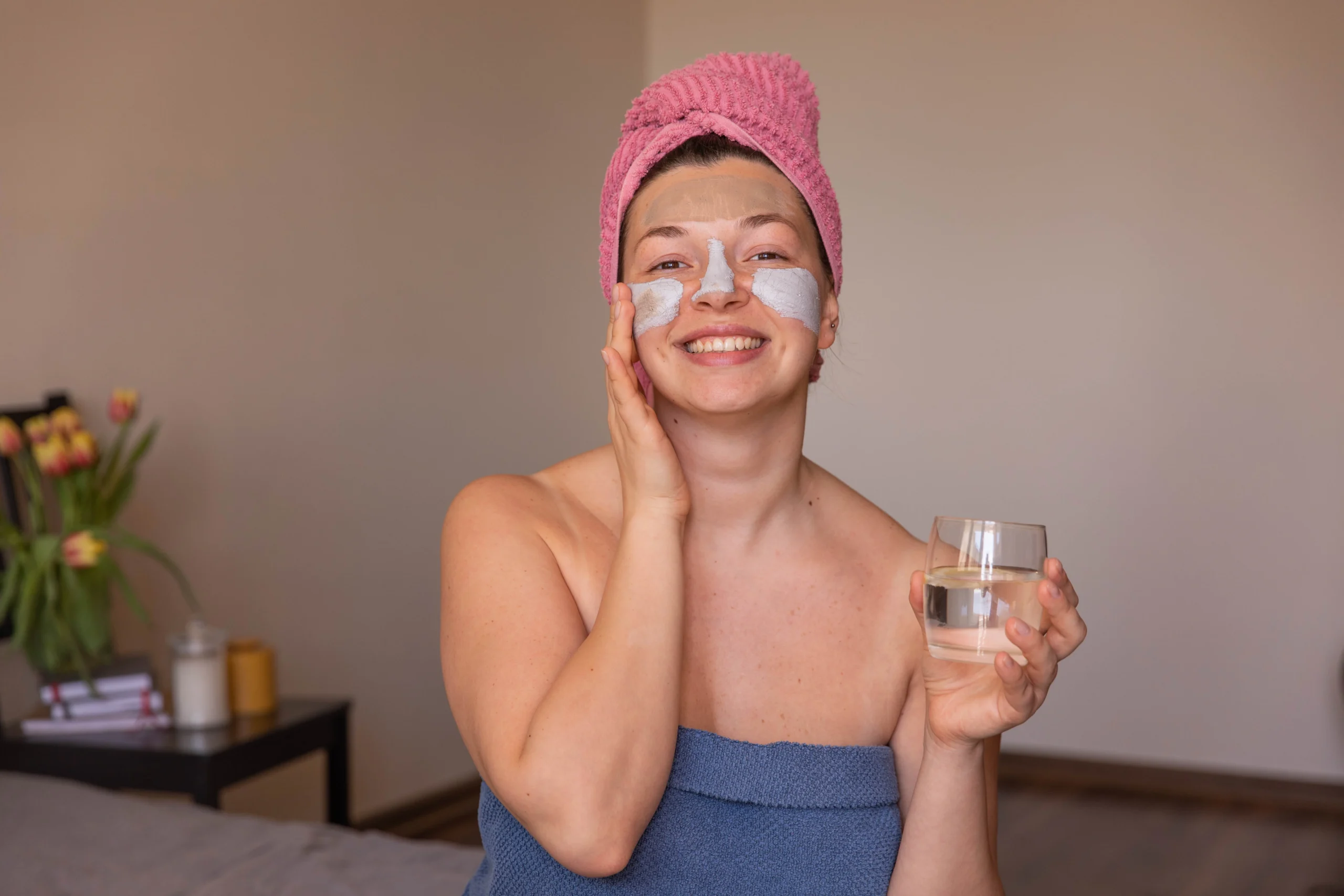
Longevity and Anti-Aging:
15 Science-Backed Ways to Slow Aging Naturally
What if aging was not just something that happened to you — but something you could actively shape? Modern science has transformed what we know about longevity and anti-aging. This comprehensive guide brings together the best anti-aging foods, longevity diet principles, science-backed supplements, stress management strategies, and natural ways to slow aging — all in one place.
- What Is Longevity and Why Anti-Aging Matters
- The Science Behind Aging
- Anti-Aging Foods That Actually Work
- The Longevity Diet
- Best Supplements for Healthy Aging
- Anti-Aging Exercises
- Anti-Aging Skincare Basics
- Healthy Aging Habits to Build Today
- Anti-Aging and Stress Management
- Healthy Aging After 40
- Case Study: Blue Zone Communities
- Conclusion: Your Longevity Action Plan
- Frequently Asked Questions
1. What Is Longevity and Why Anti-Aging Matters
Longevity means living a long, genuinely healthy life. It is about adding real quality to your years, not just quantity. The goal is staying energetic, mentally sharp, mobile, and free from chronic disease for as long as possible.
Anti-aging refers to the practices, habits, and science-backed interventions that slow the biological aging process. It is far less about looking younger and far more about functioning younger — preserving your body and mind across decades.
These two ideas are inseparable. A true longevity lifestyle is not about lifespan alone. It is about healthspan — the number of years you live free from serious disease and disability.
2. The Science Behind Aging
To effectively slow aging, you first need to understand what drives it. Researchers have identified several core biological mechanisms that accelerate the aging process. The encouraging news is that many of them are directly influenced by everyday lifestyle choices.
Key Biological Mechanisms of Aging
- Telomere Shortening: Telomeres are protective caps at the ends of your DNA strands. Every time a cell divides, they shorten slightly. When they become critically short, cells stop replicating properly — one of the core drivers of biological aging.
- Oxidative Stress: Free radicals are unstable molecules that damage your cells over time. Antioxidants from food and lifestyle choices neutralize this ongoing damage.
- Chronic Inflammation (Inflammaging): Low-grade, persistent inflammation is directly linked to heart disease, cancer, diabetes, and nearly every major age-related condition.
- Mitochondrial Decline: Your mitochondria are your cellular energy factories. As they become less efficient with age, overall energy levels drop and cellular repair slows significantly.
- NAD+ Depletion: NAD+ is a critical molecule for DNA repair and cellular energy metabolism. Levels drop significantly after age 40, accelerating multiple aspects of biological aging simultaneously.
Understanding these pathways is what allows us to make smarter choices about diet, supplementation, exercise, and daily habits. Every section of this guide targets one or more of these mechanisms directly.
3. Anti-Aging Foods That Actually Work
Food is one of the most powerful and accessible tools for aging prevention. The right anti-aging foods reduce oxidative stress, calm systemic inflammation, support cellular repair, and protect your heart and brain — all simultaneously.
No single food is a magic solution. The overall dietary pattern is what matters most. That said, some foods are exceptionally rich in the compounds that fight biological aging most effectively.
| Anti-Aging Food | Primary Benefit | Active Compound |
|---|---|---|
| Blueberries | Fights oxidative stress, supports brain health | Anthocyanins |
| Extra Virgin Olive Oil | Reduces inflammation, protects cardiovascular health | Oleocanthal, Polyphenols |
| Fatty Fish (Salmon, Sardines) | Protects brain and heart, reduces inflammation | Omega-3 Fatty Acids |
| Broccoli | Supports cellular detox and repair mechanisms | Sulforaphane |
| Green Tea | Anti-inflammatory, improves metabolic health | EGCG (Catechins) |
| Walnuts | Brain health, reduces oxidative cellular damage | ALA Omega-3, Vitamin E |
| Turmeric | Reduces inflammaging throughout the body | Curcumin |
| Dark Chocolate (70%+) | Improves circulation and skin protection | Flavonoids |
| Pomegranate | DNA protection, supports gut health | Urolithins, Punicalagin |
| Avocado | Skin health, cellular membrane integrity | Monounsaturated Fats |
4. The Longevity Diet: What to Eat for a Longer Life
The longevity diet is among the most rigorously studied nutritional frameworks for aging prevention in modern science. Developed by Dr. Valter Longo at the USC Longevity Institute, it draws from both cutting-edge cellular biology and the real eating patterns of the world's longest-living populations.
Core Principles of the Longevity Diet
- Eat mostly plants: Vegetables, legumes, whole grains, and nuts form the foundation. These provide fiber, antioxidants, and phytonutrients that directly combat inflammaging.
- Moderate protein: Particularly from plant sources. Excess protein — especially from red and processed meat — has been linked to accelerated aging through the mTOR signaling pathway.
- Prioritize healthy fats: Extra virgin olive oil, avocado, and fatty fish provide the fats your cells, brain, and hormones depend on for optimal function.
- Time-restricted eating: Eating within a 10 to 12 hour daily window allows your body to activate cellular repair processes during the fasting period.
- Periodic fasting: Dr. Longo recommends a 5-day fasting-mimicking protocol two to three times per year to trigger deep cellular regeneration and autophagy.
Intermittent fasting is one of the most powerful natural longevity strategies available. It activates autophagy — the body's self-cleaning process that breaks down and recycles damaged cellular components. This directly slows aging at the cellular level and has been validated in multiple large-scale studies.
5. Best Supplements for Healthy Aging
Diet and lifestyle always come first. But certain anti-aging supplements now have a substantial and growing body of scientific evidence behind them. The table below summarizes the most well-researched options, their evidence strength, and primary benefits.
| Supplement | Evidence | Primary Benefit |
|---|---|---|
| NMN / NR (NAD+ Precursors) | ★★★★ | Boosts cellular energy and DNA repair capacity |
| Vitamin D3 + K2 | ★★★★ | Bone density, immune health, cardiovascular protection |
| Omega-3 (Fish Oil) | ★★★★ | Reduces systemic inflammation throughout the body |
| Magnesium | ★★★★ | Sleep quality, energy production, 300+ enzyme reactions |
| Resveratrol | ★★★ | Activates longevity genes (sirtuins), antioxidant protection |
| CoQ10 (Coenzyme Q10) | ★★★ | Mitochondrial health, heart muscle protection |
| Collagen Peptides | ★★★ | Skin elasticity, joint health, gut lining support |
| Ashwagandha | ★★★ | Cortisol reduction, stress resilience, energy |
The National Institutes of Health (NIH) publishes ongoing peer-reviewed research on aging, supplementation, and longevity science for those who want to explore the primary literature.
6. Anti-Aging Exercises to Add to Your Routine
If one intervention consistently rises to the top of longevity research across every population studied, it is exercise. Regular physical activity is arguably the most powerful anti-aging healthcare tool available — and it requires no prescription and no cost.
The Longevity Exercise Formula
- 150 minutes per week of moderate cardio: Walking, cycling, swimming, or dancing at a conversational pace
- 2 to 3 sessions per week of strength training: Bodyweight exercises, free weights, or resistance bands targeting all major muscle groups
- 10 to 15 minutes of daily mobility work: Yoga, stretching, or joint mobility routines to maintain range of motion
Why Each Type Matters
- Cardio improves heart health, reduces chronic inflammation, and dramatically boosts mitochondrial function — directly combating one of the core mechanisms of biological aging at the cellular level.
- Strength training prevents sarcopenia (age-related muscle loss), which becomes critically important after age 40. Preserving muscle mass protects your metabolism, posture, bone density, and long-term physical independence.
- Flexibility and mobility work protects joints, reduces injury risk, and supports the nervous system as it changes with age.
Zone 2 cardio — exercising at a pace where you can comfortably hold a full conversation — is particularly powerful for longevity. It builds your aerobic base, improves fat metabolism, and maintains mitochondrial health across decades. For most people, a brisk walk or easy cycling session qualifies as Zone 2.
7. Anti-Aging Skincare: The Basics That Matter
You do not need a 12-step routine. You need the right steps. The most effective anti-aging skincare regimen is simple, consistent, and grounded in clinical evidence. Everything beyond these five basics is refinement, not necessity.
- Daily SPF 30 to 50: UV radiation is responsible for up to 80% of facial wrinkles and visible pigmentation changes. Applying sunscreen every morning is the single highest-return anti-aging skincare investment you can make, period.
- Retinol (Vitamin A): The most clinically proven topical anti-aging compound in dermatology. Retinol increases collagen production, accelerates cell turnover, and visibly reduces fine lines over consistent use. Start with a low concentration (0.025% to 0.05%) and build gradually.
- Vitamin C Serum: A powerful antioxidant that brightens skin tone, protects against oxidative damage from UV and pollution, and actively supports collagen synthesis in the dermis.
- Hyaluronic Acid: Attracts and retains moisture deep within the skin layers. It plumps fine lines and supports the skin barrier, which naturally weakens with age and environmental exposure.
- Niacinamide (Vitamin B3): Strengthens the skin barrier, reduces redness and pore visibility, and works synergistically alongside retinol to reduce fine lines with minimal irritation.
8. Healthy Aging Habits to Build Today
Small daily habits, practiced with consistency over years, compound into dramatic and measurable long-term results. The healthy aging habits below are among the most well-supported interventions in global longevity and preventive medicine research.
- Sleep 7 to 9 hours nightly: During deep sleep, your body releases growth hormone, repairs cellular damage, consolidates memories, and detoxes the brain through the glymphatic system. Chronic poor sleep accelerates nearly every known aging pathway.
- Do not smoke: Smoking directly shortens telomeres and is one of the most well-established accelerators of biological age, affecting every organ system simultaneously.
- Limit alcohol consumption: Even moderate, regular drinking increases systemic inflammation, disrupts sleep architecture, and damages the gut microbiome — all of which accelerate the aging process.
- Maintain strong social connections: The Harvard Study of Adult Development — running for over 80 years — found that close, warm relationships are the strongest single predictor of healthy aging. Loneliness is as physiologically harmful as smoking 15 cigarettes a day.
- Stay mentally active: Read widely, learn new skills, challenge your brain consistently. Cognitive stimulation builds neurological resilience and delays age-related cognitive decline.
- Maintain a healthy body weight: Excess visceral fat around the abdomen drives chronic inflammation and accelerates almost every age-related disease pathway known to science.
- Get regular health screenings: Routine blood tests, cancer screenings, and cardiovascular risk assessments are cornerstones of a proactive and effective anti-aging health routine.
9. Anti-Aging and Stress Management
Chronic stress is one of the most underappreciated accelerators of biological aging. When you experience ongoing stress, your body continuously releases cortisol — a hormone that, at persistently elevated levels, causes serious and wide-ranging cellular damage.
What Chronic Cortisol Does to Your Body
- Shortens telomeres at an accelerated rate, advancing biological age
- Triggers systemic inflammation that damages blood vessels and organs
- Severely disrupts sleep quality and overnight cellular recovery
- Damages the hippocampus — the brain region central to memory and learning
- Suppresses immune function, increasing susceptibility to infection and disease
Evidence-Based Stress Reduction Strategies
| Strategy | What It Does | Minimum Effective Dose |
|---|---|---|
| Meditation | Reduces cortisol, lowers blood pressure, improves focus and emotional regulation | 10 minutes daily |
| Deep Breathing (4-7-8 Method) | Activates the parasympathetic nervous system rapidly, reducing acute stress response | 3 to 4 cycles as needed |
| Time in Nature | Measurably lowers cortisol and blood pressure within 20 minutes of exposure | 20 minutes, 3x per week |
| Journaling | Processes emotions, reduces mental load and cognitive rumination | 5 to 10 minutes daily |
| Strong Social Connection | Triggers oxytocin release, which directly counteracts cortisol | Daily meaningful interaction |
10. Healthy Aging After 40: What Changes and What to Do
After age 40, a number of biological shifts begin that meaningfully influence how you age. The key is not anxiety about these changes but proactive, targeted responses. Here is a clear breakdown of what declines and what the evidence says you can do about it.
| What Declines After 40 | Why It Matters | Actionable Response |
|---|---|---|
| NAD+ Levels | Reduces cellular energy and DNA repair capacity | NMN or NR supplements, regular aerobic exercise |
| Muscle Mass (Sarcopenia) | Slows metabolism, weakens bones, reduces functional mobility | Strength training 2 to 3 times per week |
| Collagen Production | Causes skin sagging, joint discomfort, slower wound healing | Retinol, Vitamin C, collagen peptide supplements |
| Hormonal Balance | Affects energy, mood, sleep quality, and body composition | Quality sleep, stress management, regular clinical checkups |
| Metabolic Rate | Makes weight management progressively more difficult | Resistance training, time-restricted eating |
| Bone Density | Increases long-term fracture and osteoporosis risk | Weight-bearing exercise, Vitamin D3 + K2, adequate calcium |
Every one of these age-related declines is addressable with the right anti-aging health routine. Starting after 40 is not too late — it is simply a different starting point with a clear, well-researched roadmap already available.
11. Case Study — Blue Zone Communities: Real-World Longevity in Action
Blue Zones are five specific regions of the world where people consistently live past 100 with remarkably low rates of chronic disease. They were documented and extensively studied by researcher Dan Buettner in collaboration with National Geographic, and the findings have profoundly shaped modern longevity science worldwide.
The Five Blue Zones
- Sardinia, Italy: Home to the world's highest documented concentration of male centenarians
- Okinawa, Japan: Among the lowest rates of heart disease and cancer ever recorded in any global population
- Nicoya Peninsula, Costa Rica: Remarkable rates of healthy aging despite modest economic conditions
- Ikaria, Greece: Residents suffer approximately 20% lower cancer rates and almost no dementia compared to global averages
- Loma Linda, California, USA: A Seventh-day Adventist community with lifespans averaging 10 years longer than surrounding populations
What Every Blue Zone Has in Common
| Blue Zone Habit | Category | Longevity Benefit |
|---|---|---|
| Whole-food, plant-based diet | Longevity Diet | Reduces inflammation, extends cellular health and healthspan |
| Daily natural movement | Anti-Aging Exercise | Prevents sarcopenia, heart disease, and metabolic decline |
| Strong community and family bonds | Healthy Aging Habits | Counters loneliness, lowers cortisol, extends lifespan |
| Clear sense of purpose (Ikigai) | Mental Wellness | Linked to lower all-cause mortality across multiple studies |
| Low stress and sufficient sleep | Stress Management | Preserves telomere length and reduces inflammaging |
| Moderate, mindful eating habits | Anti-Aging Lifestyle | Prevents obesity, supports gut microbiome and metabolic health |
Conclusion: Your Longevity Action Plan Starts Today
The science of longevity and anti-aging is not complicated. But it does require consistency — and it requires starting. Here is everything that the evidence tells us actually works:
- Eat anti-aging foods and follow a longevity diet built on plants, healthy fats, and minimal processed food
- Use evidence-based supplements like Vitamin D3, Omega-3, and NAD+ precursors as a complement to excellent nutrition
- Move your body with anti-aging exercises — a combination of cardio, strength training, and daily mobility work
- Build healthy aging habits around quality sleep, strong relationships, and continuous mental engagement
- Follow a simple, effective anti-aging skincare routine — sunscreen and retinol, every day without exception
- Make stress management non-negotiable — cortisol silently accelerates biological aging at the cellular level
- If you are healthy aging after 40, get proactive with health screenings and prioritize resistance training
- Draw inspiration from Blue Zones — the most powerful longevity wellness guide on earth, written in the lives of real communities
- Adopt natural longevity strategies sustainable across decades, not just for 30-day challenges
- Combine the best anti-aging diet, movement, sleep, and social connection into a genuinely holistic anti-aging approach
You do not need to change everything at once. Pick two habits this week. Build consistently from there. The compounding effect of small, sustained improvements is what longevity is truly made of.