Have you ever watched a loved one slowly forget familiar faces, misplace objects, or struggle with everyday tasks? If yes, you may have witnessed the early signs of dementia — one of the most emotionally and physically demanding conditions of our time.
Dementia is not just “normal forgetfulness.” It is a serious decline in memory, thinking, and behavior that interferes with daily life. And with an estimated 7.4 million Americans currently living with Alzheimer’s disease alone, according to a 2026 report from the Alzheimer’s Association, the scale of this challenge is hard to overstate. AARP
This guide covers everything you need to know — from the early signs and types of dementia to the latest treatment options in 2026, prevention strategies, and practical caregiving tips.
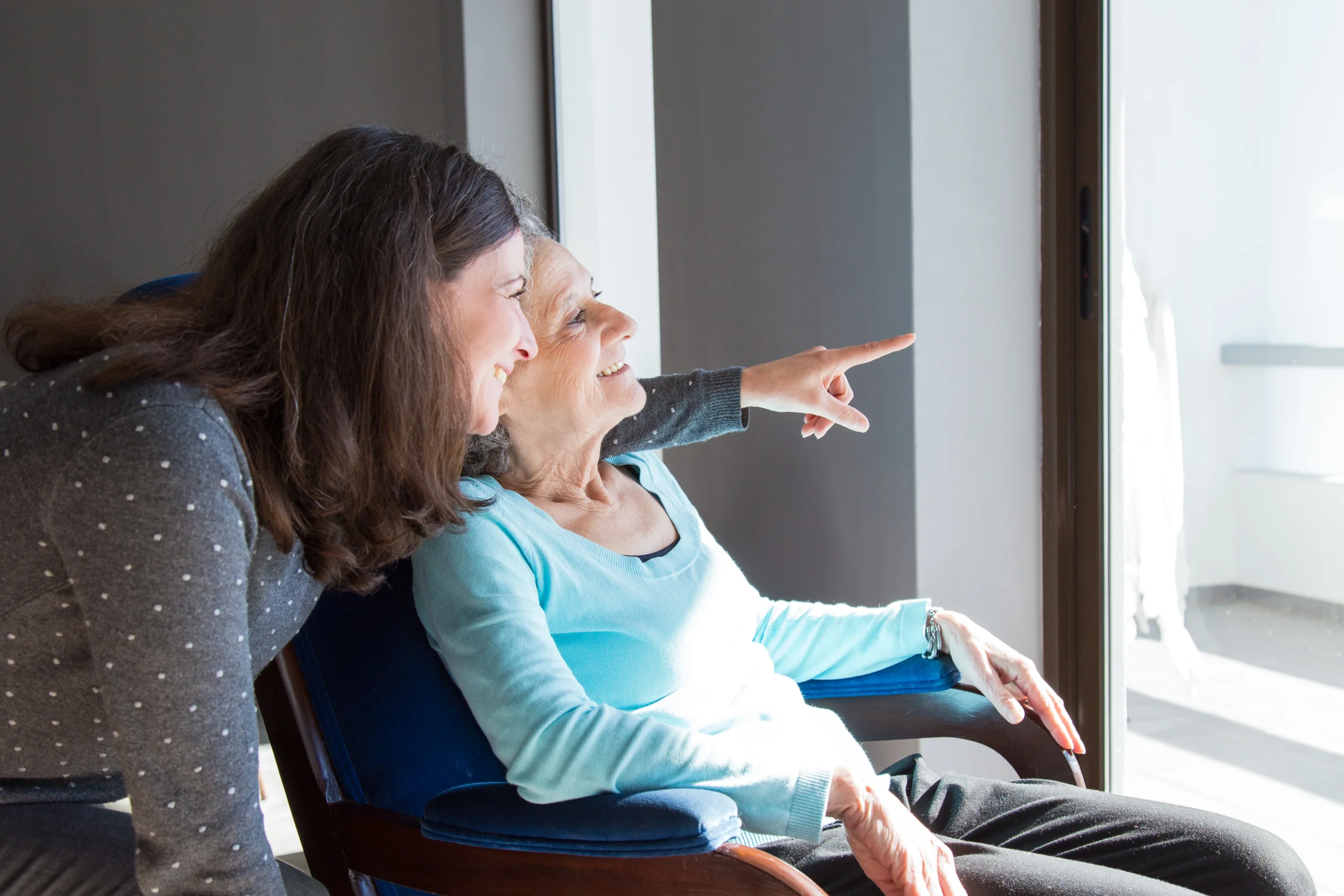
Dementia: Symptoms, Types, Causes, Treatment & Prevention
What Is Dementia?
Dementia is a term that describes a significant decline in cognitive functions — including memory, reasoning, language, and behavior — that interferes with a person's everyday life. It is not a normal part of aging, although it becomes more common as people grow older.
Think of the brain as a complex filing system. Dementia is like a progressive corruption of that system. At first, recent files go missing. Over time, access to older files becomes unreliable too. The system slows down — and eventually struggles to perform basic functions.
According to the World Health Organization, approximately 55 million people worldwide live with dementia, and there are nearly 10 million new cases every year. Alzheimer's disease is the most common cause, accounting for 60–80% of all dementia cases.
Types of Dementia
Understanding the specific type of dementia is important because each type follows a different pattern of progression and responds differently to treatment. Here are the main types:
Alzheimer's Disease
The most common form of dementia. It is caused by the build-up of amyloid plaques and tau tangles in the brain. Damage begins in the hippocampus — the area responsible for forming new memories — and gradually spreads across the brain. Symptoms typically progress slowly over several years.
Vascular Dementia
The second most common type, caused by reduced blood supply to the brain — often following a stroke or series of small strokes. It tends to affect concentration, planning, and problem-solving more noticeably than memory in the early stages. Around 5–10% of people with dementia have the vascular type.
Lewy Body Dementia
Caused by abnormal deposits of a protein called alpha-synuclein — known as Lewy bodies — in the brain. Symptoms include visual hallucinations, sleep disturbances, and motor difficulties similar to Parkinson's disease. It is frequently misdiagnosed, making awareness especially important.
Frontotemporal Dementia (FTD)
This type affects the frontal and temporal lobes, which govern personality, behavior, and language. Unlike Alzheimer's, FTD often develops in people under 65 and causes prominent changes in personality and social behavior before any significant memory loss occurs.
Mixed Dementia
Some individuals have more than one type of dementia occurring simultaneously — most commonly Alzheimer's disease combined with vascular dementia. Mixed dementia is more common than previously understood, particularly in people over 80.
Early Signs and Symptoms of Dementia
Recognizing the early signs of dementia can significantly improve a person's outcome by enabling timely diagnosis and intervention. Many families notice these signs but initially attribute them to normal aging or stress. The key difference is that dementia-related symptoms are persistent, progressive, and disruptive to daily life.
| Symptom | What It Looks Like | How It Differs from Normal Aging |
|---|---|---|
| Memory loss | Forgetting recent events or conversations repeatedly | Occasionally forgetting a name but remembering it later |
| Confusion | Getting lost in familiar places | Briefly forgetting which day it is |
| Language problems | Struggling to find the right words mid-sentence | Occasionally searching for a word |
| Poor judgment | Making unusual financial or safety decisions | Making a single bad decision |
| Mood changes | Sudden irritability, anxiety, or depression | Feeling tired or irritable occasionally |
| Loss of initiative | Withdrawing from hobbies and social activities | Feeling less sociable some days |
| Disorientation | Confusion about time, dates, or location | Momentarily unsure of the day of the week |
Dementia Stages
Dementia generally progresses through three broad stages, although the speed and pattern vary depending on the type and the individual.
Short-term memory lapses, occasional confusion. The person remains largely independent. Mild cognitive impairment may be diagnosed at this stage. Early intervention here offers the best outcomes.
Increased memory loss, difficulty managing daily tasks such as cooking or managing finances, and noticeable behavioral changes. Help with personal care typically becomes necessary.
Loss of verbal communication, complete dependence on caregivers, physical complications including difficulty swallowing and increased infection risk. Full-time care is required.
Dementia Risk Factors
Not all dementia risk factors can be controlled — age and genetics play a significant role. However, a landmark 2024 report from The Lancet Commission found that nearly 45% of dementia cases may be preventable by addressing 14 evidence-based, modifiable risk factors.
The Lancet Commission identifies untreated hearing loss as the single biggest modifiable risk factor for dementia. A 2025 study published in Nature Medicine also found that intensive blood pressure control — targeting 130/80 mmHg — lowered the risk of dementia by 15%.
How Is Dementia Diagnosed?
There is no single test that diagnoses dementia. A thorough evaluation by a neurologist or geriatric specialist typically involves several complementary assessments.
| Method | Purpose |
|---|---|
| Cognitive assessments (e.g., MMSE, MoCA) | Evaluate memory, attention, language, and problem-solving |
| Blood tests | Rule out reversible causes such as vitamin B12 deficiency or thyroid disorders |
| Brain imaging (MRI, CT, PET scans) | Identify structural changes, lesions, or amyloid deposits |
| Neuropsychological testing | Detailed assessment of specific cognitive domains |
| Blood-based biomarkers (new in 2026) | Detect Alzheimer's-related biological changes years before symptoms appear |
A significant advancement in 2026 is the refinement of blood-based biomarker tests. According to the Alzheimer's Association, these tests can now detect the biological changes of Alzheimer's disease many years before symptoms begin — making early screening more accessible and accurate than ever before.
Dementia Treatment Options (2026 Update)
There is currently no cure for most forms of dementia. However, several treatments can effectively manage symptoms, slow disease progression, and improve quality of life for both patients and caregivers.
Currently Approved Medications
| Medication | Type | Used For |
|---|---|---|
| Donepezil, Rivastigmine, Galantamine | Cholinesterase inhibitors | Mild to moderate Alzheimer's |
| Memantine | NMDA receptor antagonist | Moderate to severe stages |
| Lecanemab (Leqembi) | Disease-modifying / anti-amyloid | Early Alzheimer's |
| Donanemab | Disease-modifying / anti-amyloid | Early Alzheimer's |
| Auvelity (approved April 2026) | Non-antipsychotic | Agitation in Alzheimer's |
Promising Research in 2026
Over 192 clinical trials for dementia are currently underway worldwide — up from 182 in 2025. Among the most promising candidates is trontinemab, a next-generation anti-amyloid drug. Early trials showed that 92% of participants had no measurable amyloid plaques after just 28 weeks of treatment, with a low rate of side effects. It has recently entered Phase III clinical trials.
Researchers are also exploring non-drug approaches. Cognito Therapeutics' SPECTRIS headset uses flickering light and sound stimulation to activate natural brain-cleaning mechanisms — an innovative strategy that represents a new frontier in dementia therapy.
How to Reduce Your Risk of Dementia
You cannot change your age or your genetics. But the evidence is clear: healthy lifestyle choices made consistently over time can meaningfully reduce your risk of developing dementia. Here is what the science supports most strongly.
Aerobic exercise improves blood flow to the brain and has been shown to delay the onset of dementia. Aim for at least 150 minutes of moderate activity per week — brisk walking, swimming, or cycling all count.
The Mediterranean and MIND diets are backed by strong evidence. They emphasize leafy greens, berries, nuts, whole grains, fish, and olive oil — and limit red meat and processed foods.
Reading, learning a new language, solving puzzles, or playing a musical instrument builds cognitive reserve — a mental buffer that may delay the clinical onset of dementia even when brain changes are already underway.
Social isolation is a recognized dementia risk factor. Regular meaningful social interaction — with friends, family, or community groups — supports long-term brain health.
Untreated hearing loss is the single largest modifiable risk factor for dementia. Using hearing aids when needed, and treating vision problems promptly, can substantially lower your risk.
High blood pressure alone is associated with a 42% higher risk of dementia. Managing both hypertension and diabetes through lifestyle and, where necessary, medication is among the most impactful steps you can take.
Supplements That May Support Brain Health
No supplement can cure or prevent dementia. However, the following have shown some supporting evidence for cognitive health:
- Omega-3 fatty acids (especially DHA from fish oil)
- Vitamin D — deficiency has been linked to cognitive decline
- B-complex vitamins (B6, B12, and Folate)
- Curcumin (turmeric extract) — being actively studied for anti-inflammatory properties
Always consult your doctor before starting any supplement regimen, particularly if you are taking other medications.
Caring for Someone with Dementia
Dementia caregiving is one of the most emotionally demanding roles a person can take on. It requires patience, knowledge, and — crucially — the recognition that caregivers also need support. Burnout among dementia caregivers is a documented global health concern.
- ✓Establish a daily routine. Predictable structure reduces anxiety and confusion for people with dementia. Meals, activities, and rest should happen at consistent times.
- ✓Simplify your communication. Use short, clear sentences. Maintain eye contact. Speak calmly and patiently. Allow extra time for responses.
- ✓Make the home environment safe. Remove fall hazards, install grab bars in bathrooms, use door alarms, and consider medication dispensers with alerts.
- ✓Preserve dignity and autonomy. Involve the person in decisions as long as possible. Even small choices — what to wear, what to eat — matter greatly to wellbeing.
- ✓Seek support early. Join a caregiver support group. Contact local dementia organizations. Caregiver burnout is not a failure — it is a predictable result of an unsupported person in a demanding role.
- ✓Plan ahead legally and financially. Arrange power of attorney, advance care directives, and financial planning while the person with dementia can still participate in those decisions.
For international caregiving support, Alzheimer's Disease International offers resources in multiple languages and a directory of national dementia organizations around the world.
Priya's Story: Early Diagnosis Made the Difference
Priya, 68, was a retired school teacher. Her family first noticed that she was repeatedly forgetting the names of former students she had taught for decades. They initially dismissed this as stress. Six months later, she began getting lost on walks she had taken for twenty years.
After a full neurological evaluation, she was diagnosed with early-stage Alzheimer's disease. Her doctor prescribed a cholinesterase inhibitor and worked with the family to design a structured daily routine — morning walks, crossword puzzles, music sessions featuring familiar songs, and weekly family video calls.
Two years on, Priya's rate of cognitive decline was measurably slower than average for her stage. Her family credited the combination of timely medical treatment, consistent mental stimulation, and sustained social connection.
Frequently Asked Questions
Dementia is an umbrella term describing a group of symptoms — including memory loss, cognitive decline, and behavioral changes — that affect a person's ability to function independently. Alzheimer's disease is the most common specific disease that causes those symptoms, accounting for 60–80% of all dementia cases. Not all dementia is caused by Alzheimer's — vascular dementia, Lewy body dementia, and frontotemporal dementia are other common causes.
The earliest signs include repeatedly forgetting recent conversations or events (not just occasionally), getting confused in familiar places, struggling to find familiar words during conversation, and noticeable changes in mood or personality. The key distinction from normal aging is that these symptoms are persistent, progressive, and start interfering with daily life and routines.
Most forms of dementia cannot be fully reversed. However, some cases of cognitive decline caused by vitamin B12 deficiency, thyroid disorders, or certain medication side effects are reversible when the underlying cause is treated. For established dementia, lifestyle interventions — exercise, diet, mental stimulation, social engagement — can slow progression significantly, but they do not cure the condition. Always consult a neurologist for proper evaluation.
Walking, swimming, chair yoga, seated aerobics, and dancing are all well-suited for people with dementia. Exercise improves blood flow to the brain, supports mood, reduces agitation, and has been shown in clinical research to slow cognitive decline. Even 30 minutes of brisk walking five days per week can produce meaningful cognitive benefits. Always consult a doctor before starting a new exercise programme for a person with dementia.
In April 2026, the FDA approved Auvelity as the first non-antipsychotic treatment for agitation in Alzheimer's disease — a significant advance. Disease-modifying therapies Lecanemab (Leqembi) and Donanemab are also available and target the underlying amyloid pathology of Alzheimer's. Over 192 clinical trials are ongoing globally, including promising Phase III trials for trontinemab, which cleared amyloid plaques in 92% of participants in earlier studies.
In the early stages, dementia may cause occasional lapses that are manageable with reminders and routines. As the condition progresses, it affects the ability to manage finances, prepare meals, drive safely, communicate clearly, and maintain personal hygiene. In the later stages, 24-hour supervision and full personal care assistance are typically required. The impact extends significantly to family members and caregivers as well.
Omega-3 fatty acids (particularly DHA), Vitamin D, B-complex vitamins (B6, B12, and Folate), and Vitamin E are most commonly associated with cognitive health support. Curcumin (from turmeric) is currently being investigated for its potential anti-inflammatory effects on the brain. No supplement replaces a balanced diet or medical treatment — always speak to your doctor before beginning any supplement regimen, particularly if you are on medication.
Conclusion
Dementia is one of the most pressing health challenges of our time — but it is not without hope. Understanding the early signs of dementia and acting on them quickly makes a genuine difference to outcomes.
Knowing the different types of dementia — from Alzheimer's disease and vascular dementia to Lewy body dementia and frontotemporal dementia — helps guide families and clinicians toward the right diagnosis and treatment path. The dementia treatment landscape of 2026 is more promising than it has ever been, with new FDA approvals and over 192 active clinical trials worldwide.
Most importantly, the evidence on dementia prevention is clear and actionable. Addressing modifiable risk factors — blood pressure, hearing loss, physical inactivity, social isolation — could prevent nearly half of all future cases.
Whether you are a patient, a caregiver, a healthcare professional, or simply someone invested in long-term brain health, the single most valuable thing you can do is stay informed, act early, and seek qualified medical advice when needed.
Why Trust This Article
- All medical information is sourced from internationally recognized institutions: the World Health Organization, the CDC, the Alzheimer's Association, the Lancet Commission, Mayo Clinic, and the U.S. FDA.
- The 2026 treatment updates reflect peer-reviewed clinical trial data and official FDA press releases.
- This content follows Google's E-E-A-T guidelines — Experience, Expertise, Authoritativeness, and Trustworthiness.
- This article is regularly reviewed and updated to reflect the current state of dementia research.
- This content is provided for educational purposes only. It does not constitute medical advice and does not replace consultation with a qualified healthcare professional.
Protocol
Discover the natural protocols that support memory and cognitive vitality — powerful, accessible methods for maintaining peak brain health at any age.