Chronic Disease Awareness: Understanding, Prevention, and Management
Chronic Disease Awareness has become more critical than ever as non-communicable diseases continue to claim millions of lives worldwide. Seven out of ten deaths in America are caused by chronic diseases Chronicdiseaseday, yet many of these conditions are preventable through simple lifestyle changes and early detection.
If you’ve ever wondered why diabetes, heart disease, and hypertension seem so common these days, you’re not alone. The rising wave of chronic illnesses affects not just individuals but entire families and communities. But here’s the good news: understanding these conditions and taking proactive steps can dramatically reduce your risk and improve your quality of life.
In this comprehensive guide, we’ll explore what chronic diseases really are, why they’re becoming more prevalent, and most importantly, what you can do to protect yourself and your loved ones.
.

Table of Contents
- What Are Chronic Diseases?
- The Growing Burden of Chronic Diseases in India
- Common Types of Chronic Diseases
- Understanding Risk Factors
- Prevention Strategies That Actually Work
- Early Detection: Your First Line of Defense
- Chronic Disease Management Essentials
- Lifestyle Modifications for Better Health
- The Role of Healthcare Systems
- Case Study: Reversing Prediabetes Through Lifestyle Changes
- Why Trust Us
- FAQs
What Are Chronic Diseases?
A chronic disease is a health condition that lasts one year or more, requires ongoing medical care, and may limit daily activities Aiarthritis. Unlike acute illnesses that come and go quickly, chronic conditions develop gradually and persist over time.
Think of chronic diseases as long-term companions rather than brief visitors. These diseases last for more than three months, develop over time, and cannot be prevented by vaccination CareInsurance.
Common characteristics include:
- Slow progression with subtle early symptoms
- No quick cure or complete resolution
- Requirement for continuous medical attention
- Significant impact on quality of life
- Often preventable through lifestyle modifications
The Growing Burden of Chronic Diseases in India
India faces a unique dual challenge when it comes to chronic illness. About 21% of elderly Indians have at least one chronic disease, with 17% in rural areas and 29% in urban areas suffering from chronic conditions PubMed Central.
The statistics paint a concerning picture:
Roughly 5.8 million Indians die annually from diabetes, cancer, stroke, heart disease, and lung diseases Indus Health Plus. This means one in four Indians faces the risk of dying from a non-communicable disease before reaching age 70.
Hypertension and diabetes account for about 68% of all chronic diseases PubMed Central in the elderly population. Urban residents show a particularly alarming trend, with the probability of having a chronic disease being 1.15 times higher among urban residents compared to rural counterparts PubMed Central.
Common Types of Chronic Diseases
Understanding the most prevalent chronic conditions helps you recognize warning signs early.
Cardiovascular Diseases
Heart-related conditions remain the leading cause of death globally. Cardiovascular diseases account for at least 19 million deaths in 2021 WHO, including heart attacks, strokes, and heart failure.
Diabetes
Diabetes affects over 463 million adults globally and is projected to increase to 700 million by 2045 PubMed Central. In India alone, more than 62 million people live with diabetes, making it a rapidly growing health crisis.
Cancer
Cancers account for 10 million deaths annually WHO. Early detection through regular screenings dramatically improves survival rates, especially for breast, colon, and cervical cancers.
Chronic Respiratory Diseases
Conditions like asthma and chronic obstructive pulmonary disease affect millions worldwide, with chronic respiratory diseases causing 4 million deaths annually WHO.
Hypertension
Often called the “silent killer,” high blood pressure affects a significant portion of the Indian population, frequently going undiagnosed until serious complications develop.
Understanding Risk Factors
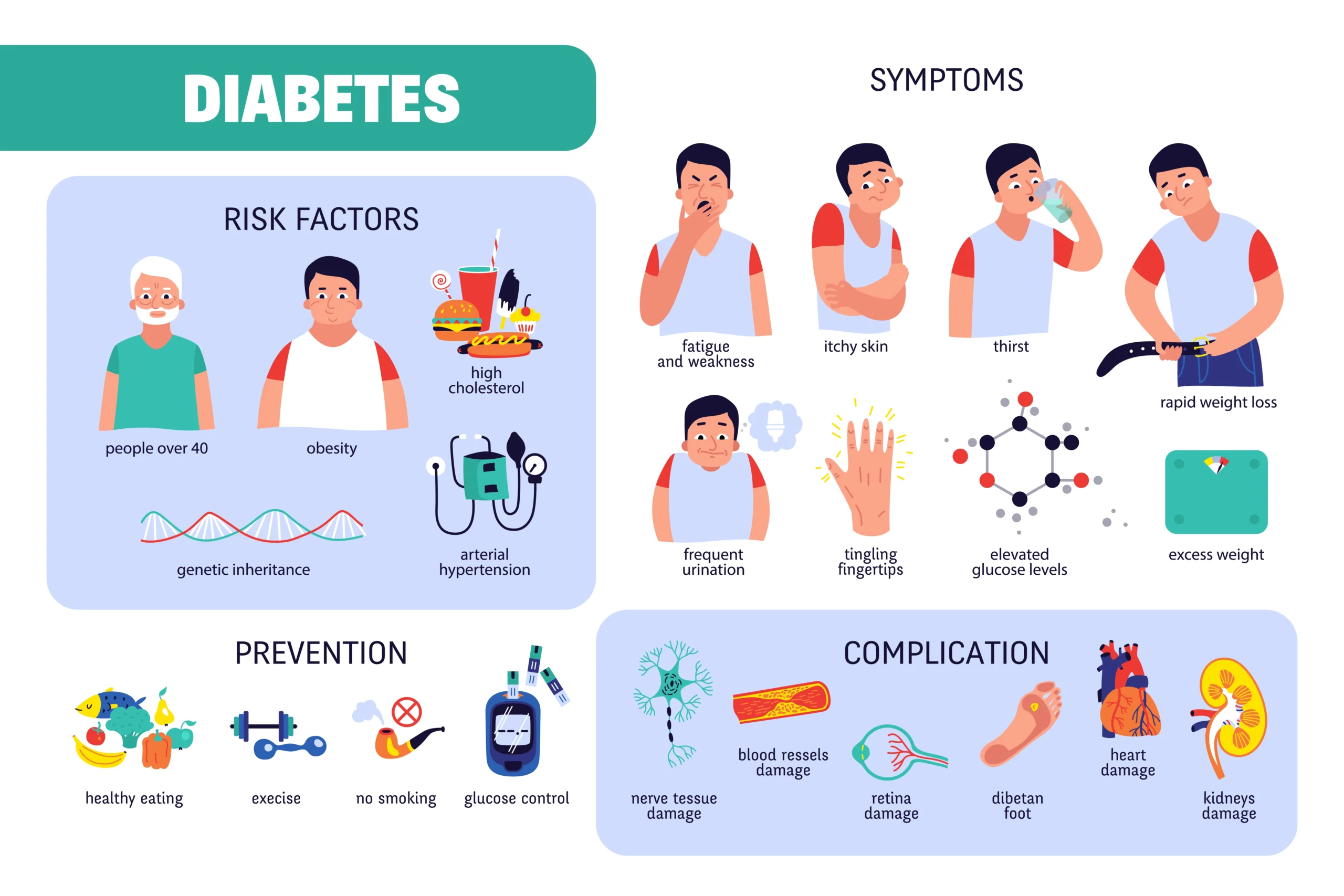
Chronic diseases don’t appear randomly. Tobacco use, physical inactivity, harmful use of alcohol, unhealthy diets, and air pollution all increase the risk of dying from an NCD WHO.
Modifiable Risk Factors (You Can Control These):
- Tobacco consumption in any form
- Sedentary lifestyle and lack of physical activity
- Unhealthy eating patterns
- Excessive alcohol consumption
- Chronic stress and poor sleep
- Obesity and overweight
Non-Modifiable Risk Factors (Beyond Your Control):
- Age (risk increases with age)
- Genetic predisposition
- Family history of chronic diseases
- Gender (some conditions affect men and women differently)
The encouraging reality? Through a healthy diet, regular physical activity, avoiding tobacco and alcohol abuse, and preventive screening, at least 80% of premature deaths from heart diseases and strokes and 40% of cancer can be prevented Indus Health Plus.
Prevention Strategies That Actually Work
Prevention isn’t about perfection—it’s about making consistent, sustainable choices that reduce your risk over time.
Adopt a Balanced, Nutritious Diet
Eating healthy helps prevent, delay, and manage heart disease, type 2 diabetes, and other chronic diseases CDC. Focus on whole grains, colorful vegetables, lean proteins, and healthy fats while limiting processed foods, added sugars, and excessive salt.
Stay Physically Active
Regular physical activity can help you prevent, delay, or manage chronic diseases. Aim for moderate intensity physical activity for at least 150 minutes a week, with muscle-strengthening activities 2 days a week CDC.
This doesn’t mean you need to become a marathon runner. Simple activities like brisk walking, gardening, cycling, or dancing count toward your weekly goal.
Quit Tobacco in All Forms
Stopping smoking lowers the risk of serious health problems, such as heart disease, cancer, type 2 diabetes, and lung disease—even for longtime smokers CDC.
Limit Alcohol Consumption
Excessive drinking can lead to high blood pressure, various cancers, heart disease, stroke, and liver disease CDC. Moderation is key.
Manage Stress Effectively
Chronic stress contributes to numerous health problems. Incorporate stress-reduction techniques like meditation, yoga, deep breathing exercises, or engaging hobbies into your daily routine.
Early Detection: Your First Line of Defense
Early diagnosis transforms outcomes. Many chronic diseases show few symptoms in their initial stages, making regular screenings essential.
Essential Health Screenings
To prevent chronic diseases or catch them early, visit your doctor and dentist regularly for preventive services CDC.
Recommended screenings include:
- Blood pressure checks (annually or as advised)
- Blood glucose and HbA1c tests for diabetes
- Lipid profile for cholesterol levels
- Body Mass Index (BMI) calculations
- Cancer screenings based on age and gender (mammograms, colonoscopies, pap smears)
- Comprehensive health check-ups annually
Benefits of Early Detection
When caught early, many chronic conditions can be managed effectively with minimal intervention. Early diagnosis allows for addressing risk factors before they escalate, potentially saving lives and significantly reducing medical expenses.
Timely detection helps slow or stop disease progression from moving into more severe stages that become harder to manage.
Chronic Disease Management Essentials
If you’re already living with a chronic condition, effective management can prevent complications and maintain your quality of life.
Follow Your Treatment Plan Consistently
Medication adherence is crucial. Take prescribed medications as directed, attend all follow-up appointments, and communicate openly with your healthcare providers about any challenges you face.
Monitor Your Condition
Modern technology makes self-monitoring easier than ever. Use home blood pressure monitors, glucose meters, or wearable fitness trackers to keep tabs on your health metrics.
Build a Support System
Living with a chronic illness can be emotionally challenging. Connect with support groups, family members, or counselors who understand your journey.
Stay Informed
Education empowers better decision-making. Learn about your condition, treatment options, and lifestyle modifications that can help manage symptoms effectively.
Coordinate Your Care
If you have multiple chronic conditions, ensure all your healthcare providers communicate with each other about your complete health picture.
Lifestyle Modifications for Better Health
Small, sustainable changes accumulate into significant health improvements over time.
Dietary Adjustments
Focus on plant-based foods, reduce processed items, control portion sizes, and stay hydrated throughout the day. Consider the Mediterranean or DASH diet patterns, both proven effective for chronic disease prevention.
Physical Activity Integration
Find activities you genuinely enjoy so exercise doesn’t feel like a chore. Take stairs instead of elevators, park farther from entrances, have walking meetings, or join group fitness classes for accountability and social connection.
Sleep Hygiene
Aim for seven to nine hours of quality sleep nightly. Maintain consistent sleep schedules, create a relaxing bedtime routine, limit screen time before bed, and keep your bedroom cool and dark.
Stress Management Techniques
Practice mindfulness meditation, engage in regular physical activity, pursue hobbies you love, maintain social connections, and don’t hesitate to seek professional help when needed.
The Role of Healthcare Systems
High impact essential NCD interventions can be delivered through a primary health care approach to strengthen early detection and timely treatment WHO.
Effective chronic disease management requires coordinated efforts between patients, healthcare providers, policymakers, and communities.
Primary healthcare centers serve as the first point of contact for prevention, screening, and management services. Public health initiatives raise awareness, provide education, and create supportive environments for healthy choices.
Government policies regarding tobacco control, food labeling, urban planning for physical activity, and healthcare access significantly impact population health outcomes.

Case Study: Reversing Prediabetes Through Lifestyle Changes
Background: Rajesh, a 42-year-old IT professional from Mumbai, discovered he had prediabetes during a routine health check-up. His HbA1c was 6.2%, blood pressure was elevated at 138/88, and BMI stood at 29.
Intervention: Instead of immediately starting medication, his doctor recommended a comprehensive lifestyle modification program including:
- Dietary changes: Switched from refined grains to whole grains, increased vegetable intake, reduced sugar and processed foods
- Physical activity: Started with 20-minute daily walks, gradually increasing to 45 minutes of brisk walking five days weekly
- Stress management: Began practicing meditation for 15 minutes each morning
- Sleep improvement: Established a consistent sleep schedule of 11 PM to 6:30 AM
Results After 6 Months:
- HbA1c dropped to 5.6% (normal range)
- Blood pressure normalized to 120/78
- Lost 8 kg, bringing BMI down to 26
- Reported significantly improved energy levels and mood
- Avoided the need for medication
Key Takeaway: This case demonstrates how early detection combined with committed lifestyle changes can reverse prediabetes and prevent full-blown type 2 diabetes, potentially saving years of medication and avoiding serious complications.
Why Trust Us
This comprehensive guide on Chronic Disease Awareness has been meticulously researched using authoritative sources including the World Health Organization, Centers for Disease Control and Prevention, peer-reviewed medical journals, and recent epidemiological studies from India and globally.
Our health information is based on current scientific evidence and global health guidelines. We prioritize accuracy, clarity, and practical applicability to help you make informed decisions about your health.
While we strive to provide reliable health information, this content is for educational purposes only and should not replace professional medical advice. Always consult qualified healthcare providers for diagnosis, treatment, and personalized health recommendations.
We regularly update our content to reflect the latest research, treatment guidelines, and public health recommendations. Our commitment is to provide you with trustworthy, actionable information that empowers better health outcomes.
Conclusion
Chronic Disease Awareness isn’t just about understanding statistics—it’s about recognizing that you have the power to significantly influence your health trajectory. Whether through chronic disease prevention, early detection, or effective chronic disease management, the choices you make today shape your tomorrow.
The rising burden of lifestyle diseases in India and globally demands urgent attention, but the solutions are within reach. By addressing modifiable risk factors, embracing preventive healthcare, and staying vigilant about early detection of chronic diseases, you can dramatically reduce your risk of non-communicable diseases.
From diabetes and heart disease prevention to hypertension management and long-term disease care, the path to better health begins with awareness and action. Public health awareness in India continues to grow, with increasing recognition that chronic illness prevention is both possible and essential.
Remember: chronic conditions don’t develop overnight, and neither do healthy habits. Start small, stay consistent, and celebrate every positive step toward better health. Your future self will thank you for the investment you make in chronic disease awareness and prevention today.
Ready to take control of your health? Schedule a comprehensive health screening today, assess your risk factors, and create a personalized prevention plan with your healthcare provider. Your journey to a healthier, disease-free life starts now.
Also Check Out our Blog on :
FAQ
What are the main causes of chronic diseases?
The main causes include unhealthy lifestyle choices (poor diet, physical inactivity, tobacco use, excessive alcohol), genetic factors, environmental exposures, and aging. Modifiable risk factors account for the majority of chronic disease cases, meaning most are preventable through lifestyle changes.
Can chronic diseases be cured completely?
Most chronic diseases cannot be completely cured but can be effectively managed. Conditions like diabetes, hypertension, and heart disease require ongoing treatment and lifestyle modifications. However, some early-stage conditions like prediabetes can be reversed through aggressive lifestyle interventions before they progress to full disease.
At what age should I start screening for chronic diseases?
Baseline screenings should begin in your 20s with blood pressure, cholesterol, and BMI checks. More comprehensive screenings for diabetes, heart disease, and cancer typically start between ages 40-45, though individuals with family history or risk factors may need earlier screening. Consult your doctor for personalized recommendations.
How much does chronic disease management cost in India?
Costs vary widely depending on the condition, treatment approach, and healthcare facility. Annual management for diabetes can range from ₹30,000 to ₹1,50,000, while cardiovascular disease treatment can exceed ₹5,00,000. Preventive measures and early detection significantly reduce long-term healthcare costs compared to treating advanced disease.
What lifestyle changes have the biggest impact on chronic disease prevention?
The four most impactful changes are: quitting tobacco, maintaining a healthy weight through balanced nutrition, engaging in regular physical activity (150 minutes weekly), and managing stress effectively. These modifications can prevent up to 80% of premature deaths from heart disease and stroke.