Cancer is one of the most significant health challenges facing India today. With over 1.7 million new cases reported annually in the country, understanding cancer has never been more important. Whether you’re looking for information about cancer symptoms, exploring treatment options, or seeking prevention strategies, this comprehensive guide will help you navigate everything you need to know about this complex disease.
In this article, we’ll explore the different types of cancer, recognize early warning signs, understand treatment modalities available in India, and learn how you can reduce your risk. Let’s dive into the essential information that could potentially save lives.
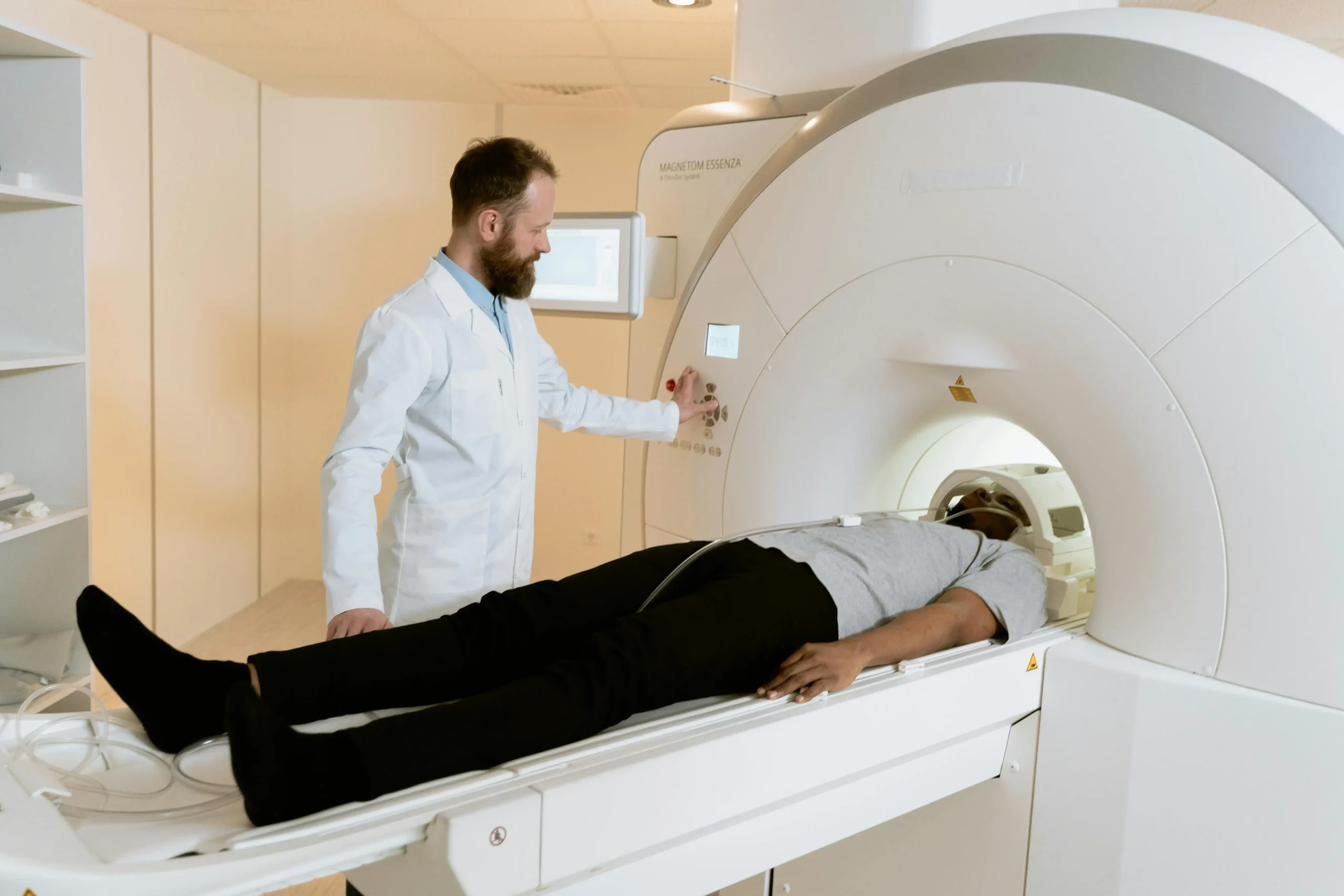
Table of Contents
- What is Cancer?
- Common Types of Cancer in India
- Early Signs and Cancer Symptoms
- Specific Cancer Symptoms by Type
- Cancer Diagnosis and Screening Tests
- Cancer Treatment Options in India
- Affordable Cancer Treatment Programs
- Cancer Prevention and Risk Reduction
- Finding the Best Cancer Hospital in India
- Why Trust This Information
What is Cancer?
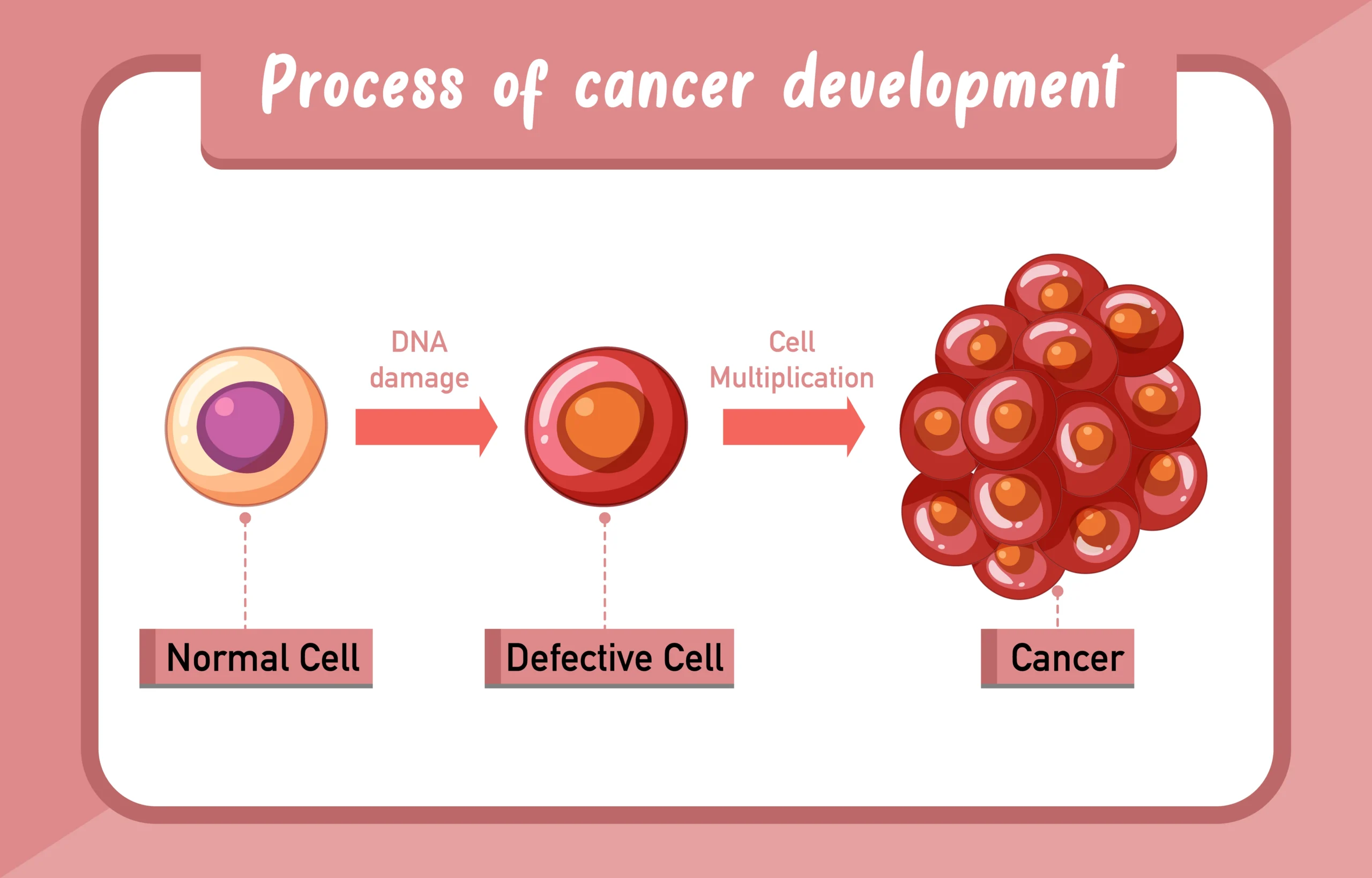
Cancer occurs when cells in the body begin to grow uncontrollably and form masses called tumors. Unlike normal cells that grow, divide, and die in an orderly way, cancer cells continue to divide without stopping and can spread to other parts of the body through a process called metastasis.
There are over 100 different types of cancer, each named for the organ or type of cell where it starts. Cancer can develop in almost any organ or tissue, from the lungs and breasts to the blood and bones. Understanding the specific type of cancer is crucial for determining the most effective treatment approach.
The good news is that many cancers can be prevented, and if detected early, the survival rates are significantly higher. Detecting cancer at an early stage, when it is small and has not spread, dramatically increases the effectiveness of treatment and the chances of a complete cure. Fortis Healthcare
Common Types of Cancer in India
India faces a unique cancer burden, with certain types being more prevalent than others. Here are the most common cancers affecting Indians:
Breast Cancer
Breast cancer is now the most common cancer in India, surpassing all others in terms of new cases diagnosed each year. Fortis Healthcare It affects both urban and rural populations, with women accounting for the majority of cases. Early detection through regular self-examinations and mammograms can dramatically improve outcomes.
Cervical Cancer
Cervical and Breast Cancer – are the most prominent ones among women in India. Devasya Hospital India records approximately 21% of global cervical cancer cases. This cancer is largely preventable through HPV vaccination and regular screening with Pap smear tests. HPV serotypes 16 and 18 account for nearly 76.7% of cervical cancer in India. PubMed Central
Lung Cancer
In men – Mouth and lung Cancer tops the list – mostly due to tobacco chewing and smoking. Devasya Hospital Lung cancer is strongly linked to smoking and air pollution, making it one of the leading causes of cancer deaths in Indian men.
Oral Cancer
India records more than 100,000 cases of oral cavity cancers every year, making it the country with the highest prevalence of oral cancer in the world. Aslifelinecancercare The high incidence is primarily due to tobacco and betel nut consumption.
Prostate Cancer
Prostate cancer affects the male reproductive system and is becoming increasingly common. About one in nine men are diagnosed with prostate cancer during their lifetime. BLK-Max Super Speciality Hospital
Blood Cancers
Blood cancers like leukemia and lymphoma affect the blood cells and bone marrow. These require specialized treatment approaches including chemotherapy and bone marrow transplants.
Specific Cancer Symptoms by Type
Cervical Cancer Symptoms
Cervical cancer typically does not cause noticeable symptoms until the tumor has reached a more advanced stage. Theneerajcancerhealing However, watch for:
- Abnormal vaginal bleeding (between periods, after intercourse, or post-menopause)
- Unusual vaginal discharge
- Pelvic pain
- Pain during intercourse
Blood Cancer Symptoms (Leukemia)
Leukemia affects blood cells and bone marrow. Common symptoms include:
- Frequent infections
- Excessive bruising or bleeding
- Severe fatigue and weakness
- Fever and night sweats
- Swollen lymph nodes
- Bone or joint pain
Prostate Cancer Symptoms
In many cases, prostate cancer causes no symptoms till it is advanced. Apollo Hospitals When symptoms appear, they may include:
- Difficulty starting urination
- Weak urine flow
- Frequent urination, especially at night
- Blood in urine or semen
- Pelvic discomfort
- Erectile dysfunction
Lung Cancer Symptoms
Lung cancer, like most types of cancer, is also characterized by almost no symptoms at an early stage. Theneerajcancerhealing Warning signs include:
- Persistent cough lasting more than 8 weeks
- Coughing up blood
- Shortness of breath or wheezing
- Chest pain that worsens with breathing
- Hoarseness or voice changes
- Recurrent bronchitis or pneumonia
Breast Cancer Symptoms
Early detection through self-examination is crucial. Look for:
- Lumps or thickening in the breast or underarm
- Changes in breast size or shape
- Skin dimpling or puckering
- Nipple discharge or inversion
- Redness or scaling of breast skin
Early Signs and Cancer Symptoms
The first sign of cancer is hardest to catch when it first appears, not because the body stays silent, but because its early warning signs are often easy to dismiss. India TV News Recognizing these subtle changes can be lifesaving.
General Cancer Warning Signs
Watch for these common symptoms that persist for more than two weeks:
Unexplained Weight Loss: A sudden and unexplained drop in weight can be an early sign of various types of cancer, including stomach, lung, and pancreatic cancers. Sunriseoncocare Losing 10 pounds or more without diet or exercise changes warrants medical attention.
Persistent Fatigue: Feeling unusually tired despite getting enough rest can indicate cancers such as leukemia, colon cancer, or stomach cancer. Sunriseoncocare This fatigue doesn’t improve with rest and can be debilitating.
Lumps or Swellings: Any new lump in the breast, testicles, lymph nodes, or other body parts should be examined by a doctor. Not all lumps are cancerous, but they require evaluation.
Unexplained Bleeding: Blood in urine, stool, vaginal bleeding between periods, or coughing up blood are red flags that need immediate medical attention.
Changes in Bowel or Bladder Habits: Persistent diarrhea, constipation, or changes in stool appearance can signal colorectal cancer. Difficulty urinating or blood in urine may indicate prostate or bladder cancer.
Persistent Cough or Hoarseness: A cough lasting more than three weeks, especially with blood-streaked sputum, needs evaluation for lung cancer.
Skin Changes: Moles that change color, shape, or size, or wounds that don’t heal within a few weeks should be checked for skin cancer.
Cancer Diagnosis and Screening Tests
Early detection through screening can catch cancer before symptoms appear, when treatment is most effective. The survival rate of malignancies discovered at stage 1 is higher than that of cancers discovered at later stages. Dr. Sheetu Singh
Common Cancer Screening Tests
Cervical Cancer Screening: Pap smear tests and HPV DNA testing can detect precancerous changes in cervical cells. Women should begin screening at age 21 and continue as recommended by their doctor.
Breast Cancer Screening: Mammography is the gold standard for breast cancer detection. Women over 40 should discuss screening schedules with their healthcare provider. Monthly self-breast examinations are also recommended.
Prostate Cancer Screening: The PSA (Prostate-Specific Antigen) test measures PSA levels in blood. Men aged 50 and older should consider routine PSA screening, while those with a strong family history may start screening at age 40 or 45. Metropolis India Lab
Colorectal Cancer Screening: Colonoscopy, stool tests, and imaging can detect polyps before they become cancerous. Screening typically begins at age 45-50.
Lung Cancer Screening: Low-dose CT scans are recommended for heavy smokers and those at high risk.
Diagnostic Tests
When cancer is suspected, doctors may use:
- Biopsy: Tissue sample examination under microscope
- Imaging Tests: CT scans, MRI, PET scans, X-rays
- Blood Tests: Tumor markers, complete blood counts
- Endoscopy: Visual examination of internal organs

Cancer Treatment Options in India
India offers world-class cancer treatment with advanced technologies and highly skilled oncologists. Treatment is carefully tailored to the individual patient’s diagnosis, stage of cancer, and overall health. Thangamcancercenter
Surgery
Surgery involves the physical removal of a cancerous tumor from a patient’s body. Asian Hospital Modern techniques include minimally invasive laparoscopic and robotic-assisted surgeries, which offer quicker recovery times and fewer complications.
Chemotherapy
Chemotherapy is a type of medication that works by stopping or slowing the growth of cancer cells, which grow and divide quickly. Asian Hospital It can be administered orally, intravenously, or through injections. Indian oncology centers provide comprehensive supportive care to manage chemotherapy side effects like nausea, fatigue, and hair loss.
Radiation Therapy
Radiation uses high-energy rays to destroy cancer cells. Radiation technologies such as Proton Therapy, CyberKnife, and IMRT enable targeted treatment, reducing damage to surrounding tissues. Oncarecancer
Immunotherapy
Immunotherapy enhances the body’s immune response against cancer through checkpoint inhibitors, CAR-T cell therapy, and monoclonal antibodies. Thangamcancercenter
Targeted Therapy
These drugs attack specific abnormalities within cancer cells, offering more precise treatment with fewer side effects than traditional chemotherapy.
Hormone Therapy
Used for cancers that are hormone-sensitive, such as certain breast and prostate cancers.
Bone Marrow Transplant
Bone marrow transplant is a specialized treatment used for blood cancers like leukemia, lymphoma, and multiple myeloma. Oncarecancer
Affordable Cancer Treatment Programs
Cancer treatment can be expensive, but India has several government schemes making it accessible to all.
Ayushman Bharat (PM-JAY)
Launched in 2018, Ayushman Bharat provides health coverage to approximately 500 million Indians, covering chemotherapy, radiotherapy, and surgical oncology for economically vulnerable families. Press Information BureauMinistry of Health and Family Welfare
Key Benefits:
- Coverage of ₹5 lakh per family per year
- Cashless and paperless treatment
- Covers secondary and tertiary care
- Till 2024, over 90% of registered cancer patients have commenced treatment under this scheme, reducing out-of-pocket expenses. Press Information BureauMinistry of Health and Family Welfare
Health Minister’s Cancer Patient Fund (HMCPF)
Provides financial aid up to ₹5 lakh for cancer treatment to patients below the poverty line, with maximum assistance of ₹15 lakh. Press Information BureauMinistry of Health and Family Welfare
Government Cancer Hospitals
India has numerous government-run cancer hospitals offering subsidized treatment:
- Tata Memorial Centre, Mumbai
- AIIMS Cancer Centres (Delhi, and other locations)
- Regional Cancer Centres across states
Cancer Prevention and Risk Reduction
While not all cancers are preventable, you can significantly reduce your risk through lifestyle modifications.
Tobacco Cessation
Smoking and tobacco use are the leading preventable causes of cancer. Quitting tobacco reduces risk for lung, oral, throat, and many other cancers.
Healthy Diet
An array of fruits, vegetables, whole grains, and fiber-rich foods on a plate can shield against cancers. India TV News Limit processed meats, red meat, and excessive salt intake.
Physical Activity
Regular exercise helps maintain healthy weight and reduces cancer risk. Aim for at least 150 minutes of moderate activity weekly.
Limit Alcohol
Excessive alcohol consumption increases risk for several cancers including liver, breast, and colorectal cancer.
Vaccination
HPV Vaccine: The Indian Academy of Pediatrics Committee on Immunisation recommends offering HPV vaccine to all females who can afford the vaccine, ideally before sexual debut. PubMed Central The vaccine costs ₹2,000-4,000 per dose in India and protects against cervical cancer.
Hepatitis B Vaccine: Protects against liver cancer.
Sun Protection
Use sunscreen, wear protective clothing, and avoid tanning beds to reduce skin cancer risk.
Regular Screening
Screening often catches disease before symptoms even appear, when treatment is most effective. India TV News
Finding the Best Cancer Hospital in India
When choosing a cancer treatment center, consider these factors:
Accreditation and Expertise
Look for hospitals with NABH, NABL, and international accreditations. These facilities have world-class infrastructure and highly trained oncologists with international experience. Practo
Multidisciplinary Approach
The best cancer hospitals emphasize multidisciplinary tumor boards where oncologists, surgeons, radiologists, and support teams collaborate on personalized treatment plans. Thangamcancercenter
Advanced Technology
Ensure the hospital has modern equipment like PET-CT scanners, linear accelerators, robotic surgery systems, and molecular diagnostic facilities.
Top Cancer Hospitals in India
- Tata Memorial Hospital, Mumbai
- AIIMS, Delhi
- Apollo Cancer Centres (Multiple locations)
- HCG Cancer Centres (Multiple locations)
- Fortis Memorial Research Institute, Gurgaon
- Max Super Speciality Hospitals
- BLK-Max Super Speciality Hospital
Cost Considerations
The cost of cancer treatment in India varies from ₹90,000 to ₹27,50,000 depending on cancer type, stage, and treatment modality. Practo This is significantly more affordable than Western countries while maintaining quality standards.
Conclusion
Cancer remains a formidable health challenge, but awareness, early detection, and proper treatment can make all the difference. Understanding cancer symptoms, knowing your risk factors, and getting regular cancer screening tests are your first lines of defense. Whether you’re concerned about cervical cancer symptoms, blood cancer symptoms, or any other types of cancer, early intervention saves lives.
India has made tremendous strides in cancer treatment, with world-class cancer hospitals, affordable treatment options through Ayushman Bharat cancer treatment programs, and increasing access to advanced therapies like immunotherapy and targeted treatments. The availability of HPV vaccine in India, improved cervical cancer screening tests, PSA tests for prostate cancer, and comprehensive breast cancer screening programs are making prevention more accessible.
Remember that cancer causes and prevention are within your control to a significant extent. Lifestyle modifications, vaccination, tobacco cessation, and regular health checkups can dramatically reduce your cancer risk. If you notice any early signs of cancer or persistent symptoms, don’t delay—consult a cancer specialist near me or visit the best cancer hospital in India for proper evaluation.
Stage 1 cancer survival rates are significantly higher than advanced stages, emphasizing why routine cancer diagnosis tests and screenings matter. From government cancer hospitals in India to private institutions, quality care is available. Understanding chemotherapy side effects, radiation therapy for cancer, and other treatment modalities helps you make informed decisions about your health.
Take charge of your health today. Schedule your cancer screening tests, adopt a healthier lifestyle, and stay informed about cancer prevention strategies. Your proactive approach could save your life or the life of someone you love.
Why Trust Us
This comprehensive guide on cancer has been meticulously researched and compiled using information from authoritative medical sources, including:
- Government Health Initiatives: Official data from India’s Ministry of Health and Family Welfare regarding Ayushman Bharat and national cancer programs
- Leading Cancer Institutions: Information from Tata Memorial Centre, AIIMS, Apollo Hospitals, and other premier cancer treatment facilities in India
- Peer-Reviewed Research: Studies published in The Lancet, PMC (PubMed Central), and other reputable medical journals
- World Health Organization Guidelines: International standards for cancer prevention, screening, and treatment
- National Cancer Registry Programme: Official statistics on cancer incidence and prevalence in India
Our content is designed to be informative and educational, helping you make informed decisions about cancer prevention, screening, and treatment. However, this information should not replace professional medical advice. Always consult qualified healthcare professionals for personalized medical guidance.
We are committed to providing accurate, up-to-date, and evidence-based information that serves the best interests of our readers. Our goal is to empower you with knowledge while encouraging you to seek appropriate medical care when needed.
Medical Disclaimer: This article is for informational purposes only and does not constitute medical advice. Always consult with qualified healthcare professionals for diagnosis and treatment recommendations.
Also Check Out our Blog on :
FAQ (Frequently Asked Questions)
What are the most common early signs of cancer?
Early signs of cancer include unexplained weight loss, persistent fatigue, new lumps or swellings, unusual bleeding, changes in bowel or bladder habits, persistent cough, and skin changes. However, these symptoms can also indicate non-cancerous conditions. Any symptom lasting more than two weeks should be evaluated by a doctor.
Is cancer treatment covered under Ayushman Bharat?
Yes, cancer treatment is comprehensively covered under Ayushman Bharat (PM-JAY). The scheme provides ₹5 lakh coverage per family per year for chemotherapy, radiation therapy, surgical oncology, diagnostics, and follow-up care at empanelled government and private hospitals. Over 90% of registered cancer patients have commenced treatment under this scheme as of 2024.
At what age should I start cancer screening tests?
Screening recommendations vary by cancer type. Women should begin cervical cancer screening (Pap smear) at age 21. Breast cancer screening typically starts at 40. Men should discuss prostate cancer screening (PSA test) around age 50, or earlier if they have family history. Colorectal cancer screening usually begins at 45-50. Your doctor can provide personalized recommendations based on your risk factors.
What is the survival rate for early-stage cancer?
Early-stage cancer (Stage 1) has significantly higher survival rates compared to advanced stages. For many cancers detected at Stage 1, five-year survival rates exceed 90%. This is why regular screening and attention to early warning signs are so crucial. The earlier cancer is detected and treated, the better the chances of complete recovery.
How much does the HPV vaccine cost in India?
The HPV vaccine in India costs approximately ₹2,000-4,000 per dose. Girls aged 9-13 years ideally should receive 2 doses, while those 14 years and older may need 3 doses. An indigenous vaccine called Cervavac, launched in 2022, is expected to be available at lower costs of ₹200-400 per dose through government programs.
Premium health Ebook crafted for your well-being